Swimming in Cold Water: Benefits for Body and Mind
Swimming in water below 15ºC is unlike any other experience.
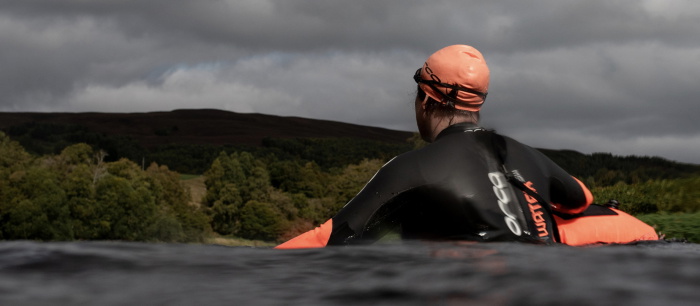
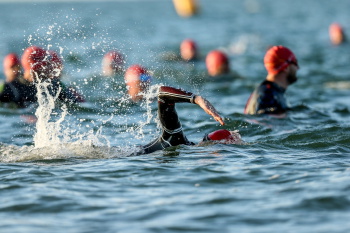
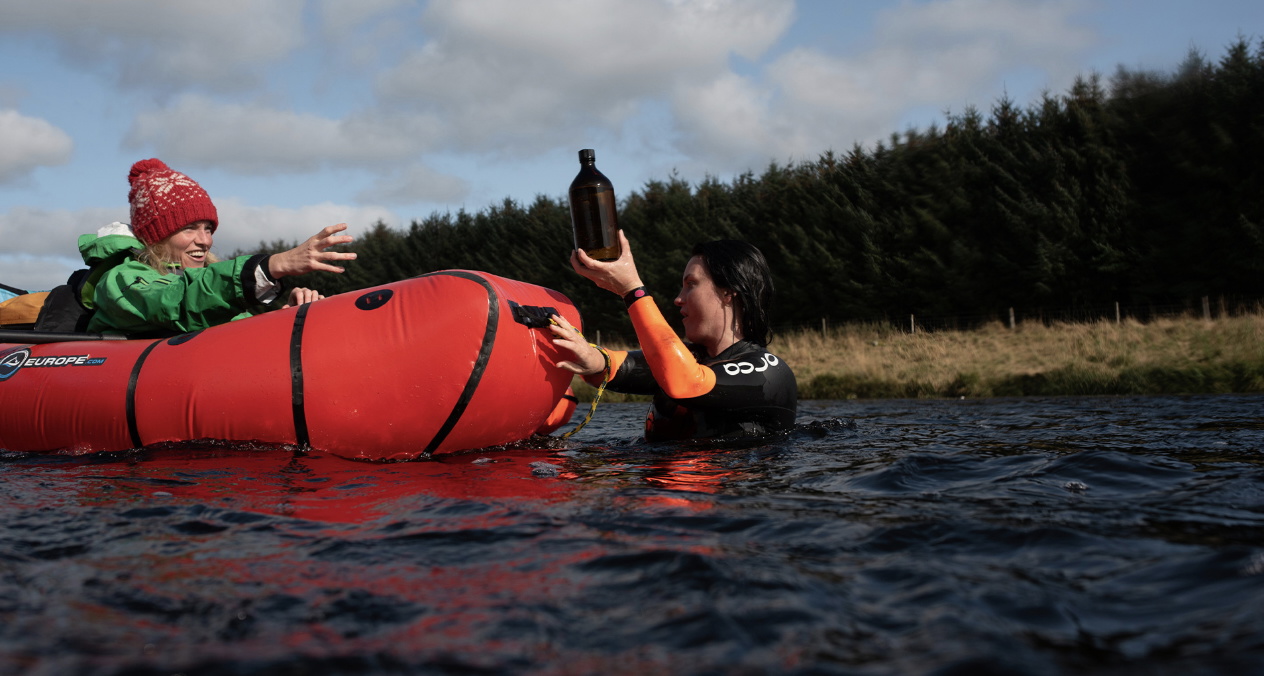
There are no lane dividers, no chlorine, and no structured pace, just open water, the natural world around you, and the cold that invigorates every part of your body.
While it might feel challenging at first, cold-water swimming has unique benefits that go beyond the obvious rush.
One of the standout advantages is how it influences your metabolism.
Exposure to colder water activates brown fat, which burns calories to help maintain body temperature.
This metabolic boost can support energy levels throughout the day.
At the same time, the contraction of muscles and blood vessels helps reduce fluid retention and inflammation, making cold-water swimming a natural aid for muscle recovery and post-workout regeneration.
Your skin benefits too. The cold encourages circulation to the surface, helping flush out toxins and leaving skin looking firmer, healthier, and more radiant.
Swimmers often notice improved skin elasticity over time, a subtle but rewarding perk of regular immersion.
Mental benefits are equally compelling. Immersion in cold water promotes mental clarity and can enhance focus, allowing the mind to feel sharper and more alert.
It also encourages a sense of calm and satisfaction after a swim, supporting overall wellbeing and restful sleep by helping the body relax and reset.
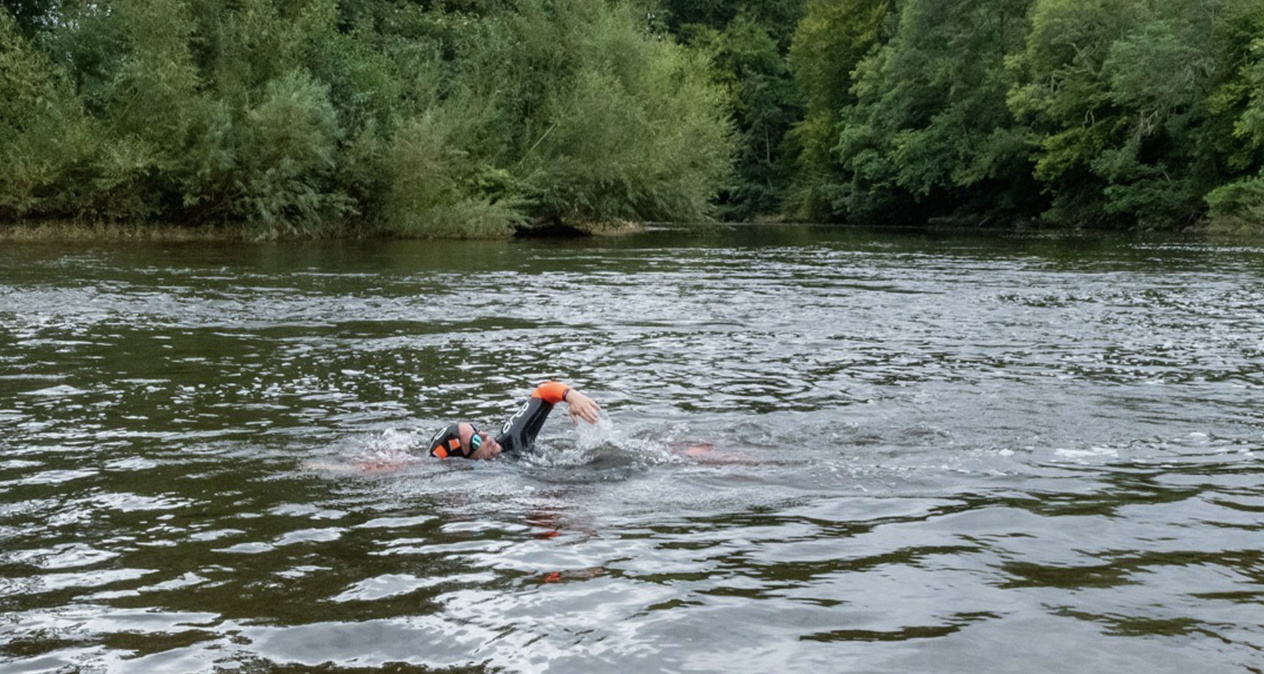
Adapting to cold water requires patience and preparation.
Gradual exposure, starting with short cold showers and increasing the duration over time, helps the body and mind acclimate.
Practising controlled breathing is key to managing the initial shock and staying comfortable during immersion. After leaving the water, warming up is essential.
Dry off quickly, layer up, and enjoy a hot drink to restore body temperature and maintain the benefits gained from your swim.
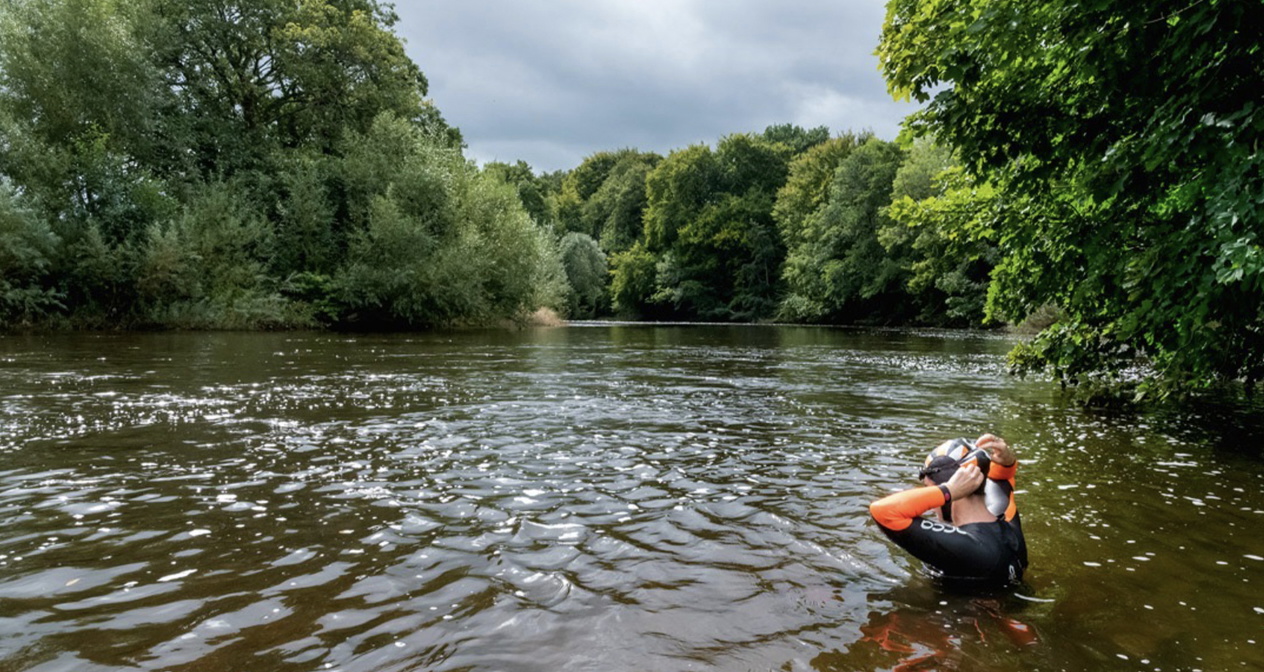
Having the right equipment can make all the difference. Orca wetsuits and accessories are designed specifically for open-water swimmers, offering warmth, flexibility, and buoyancy.
With the right suit, gloves, boots, or hood, swimmers can comfortably stay in the water longer, making it easier to experience all the physical and mental benefits cold-water swimming offers.
Cold water swimming isn’t about enduring discomfort - it’s about discovering the unexpected ways your body and mind respond to challenge.
With preparation, proper gear, and a willingness to embrace the chill, open-water swimming becomes a transformative practice, helping you feel healthier, more energised, and more in tune with yourself and the natural world.
Published on 16th September 2025 in Swimming