Wetsuits are chosen based on neoprene thickness, which affects warmth and flexibility. A 3/2mm suit, for example, has thicker neoprene around the torso and thinner material on the limbs. Warmer waters need thinner suits like 1–2mm, while colder waters require thicker ones like 5/4mm or 6/5mm. Wind, season, and personal cold tolerance also influence this choice.
Fit is crucial—a wetsuit should be snug without restricting movement to prevent water from flushing in and out. Since sizes vary by brand, checking specific charts is important.
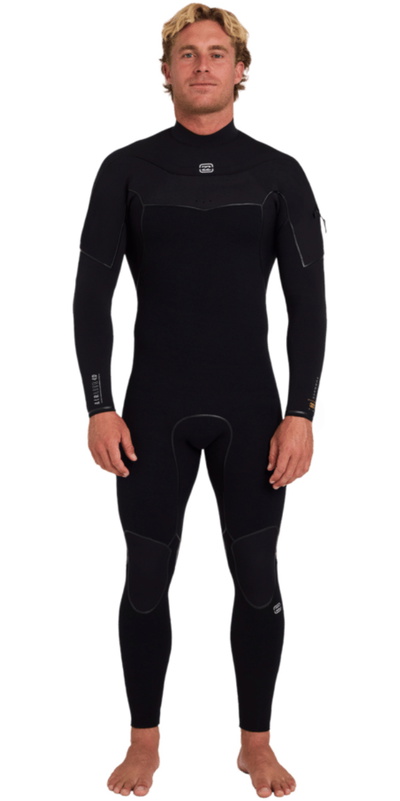
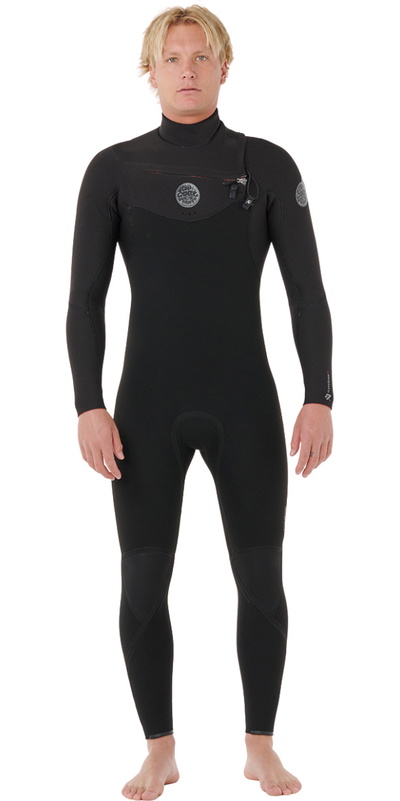
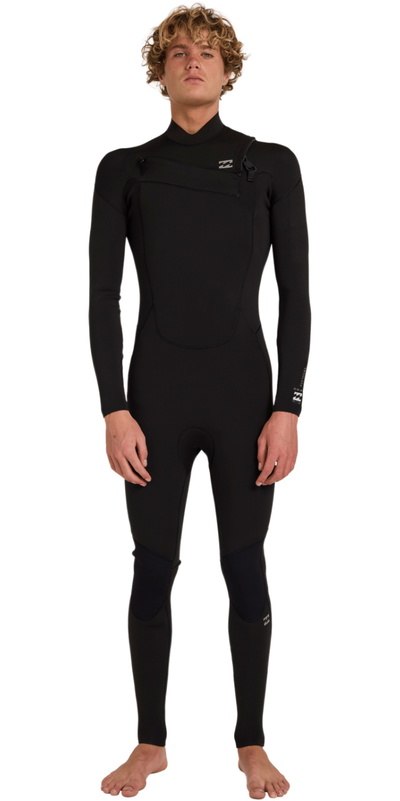
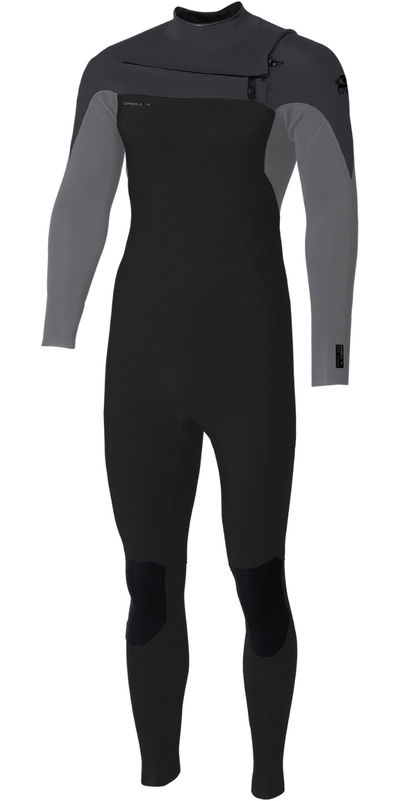
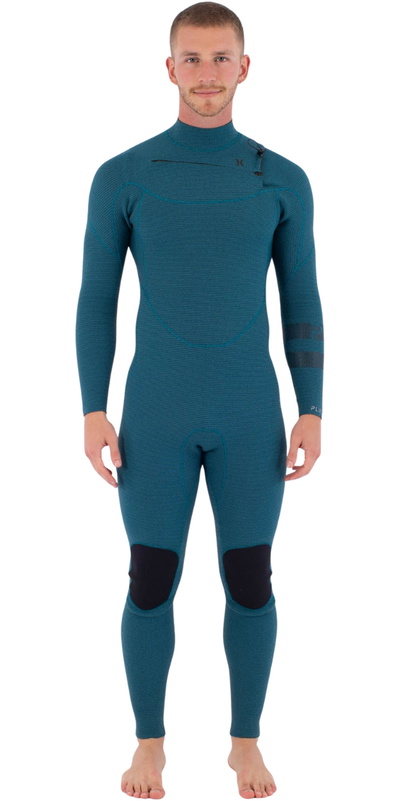
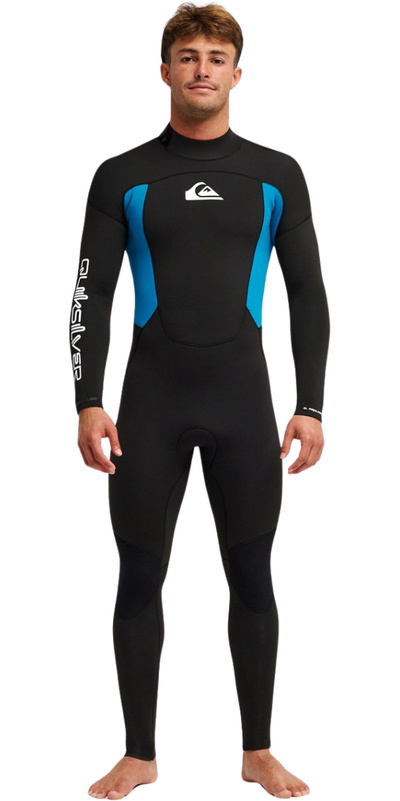
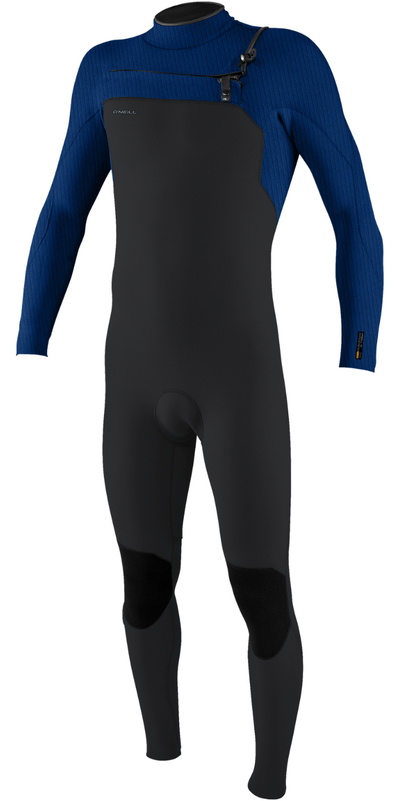
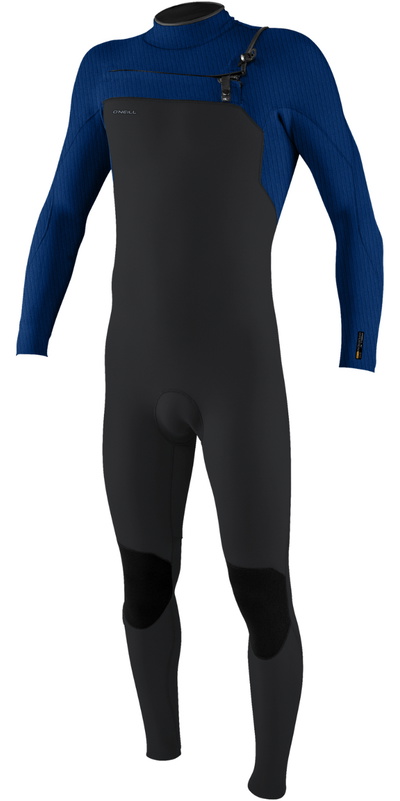
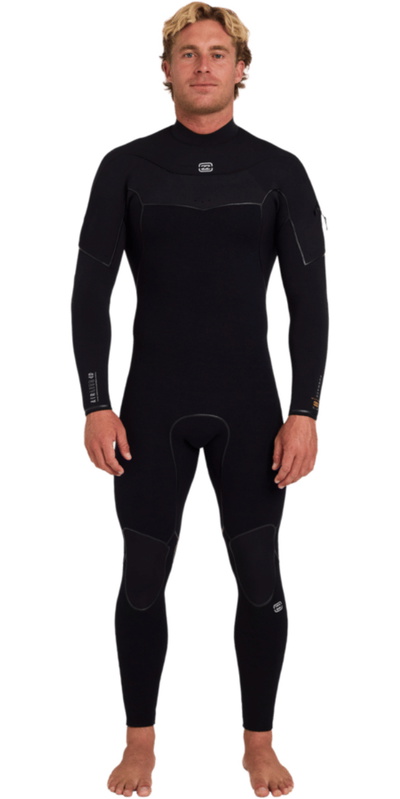
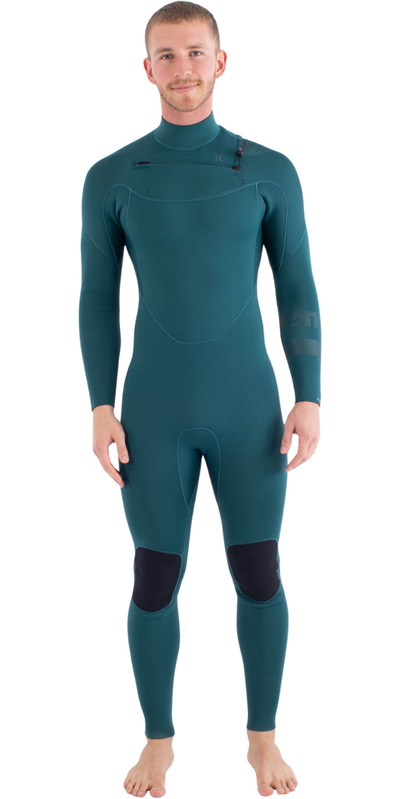
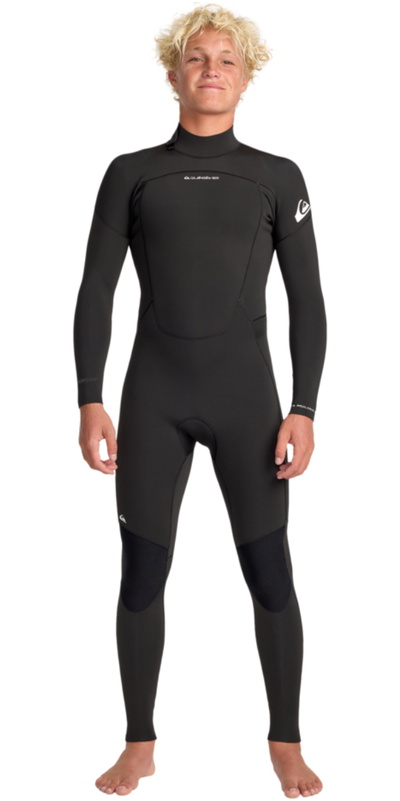
There are different entry systems: back zips are easy to use, chest zips offer better seal and flexibility, and zipperless suits allow the most movement. Seam types also matter—flatlock seams suit warm water, while glued and blindstitched seams are better for insulation. Taped seams and thermal linings provide extra warmth in cold conditions.
In colder waters, accessories like boots, gloves, and hoods help retain body heat and keep you comfortable.
For more detailed information you can check our Wetsuit Buying Guide.




.jpg?width=150)
.jpg?width=150)
.jpg?width=150)
.jpg?width=150)
.jpg?width=150)
.jpg?width=400)
.jpg?width=400)
.jpg?width=400)
.jpg?width=400)
.jpg?width=400)
.jpg?width=400)
.jpg?width=400)
.jpg?width=400)
.jpg?width=400)
.jpg?width=400)
.jpg?width=400)
.jpg?width=400)
.jpg?width=400)
.jpg?width=400)